
Magazine
The role of smart mobility in the transition towards more sustainable and less polluting transport
The need to drastically reduce greenhouse gas emissions has prompted a radical rethink of ageing road infrastructure on the part of public authorities around the world. The ecological transition requires a holistic and multidisciplinary approach able to skilfully combine urban planning with the widespread adoption of clean and renewable energy sources. At the heart of this momentous shift is undoubtedly sustainable mobility, which aims to minimise the environmental and climate impact of daily travel without impacting the speed and efficiency of the service provided to users. A key driver of this challenging transition at local level are the sustainable urban mobility plans (known in Italy by the acronym PUMS) adopted by cities for long-term structural and transport-related measures. These strategic plans are designed to improve coordination between the various modes of transport, promoting environmentally friendly alternatives to the use of private cars.
Clear, specific guidelines laid out by the Ministry of Transport encourage local authorities to implement safer, more extensive cycle networks and pedestrian routes protected from heavy traffic. The gradual reduction in the number of vehicles with internal combustion engines on our roads brings enormous immediate benefits in terms of air quality and general public health. European citizens are now increasingly aware of the vital importance of making environmentally friendly choices, and are clamouring for public transport services that truly reflect these new environmental values. Local public transport must therefore inevitably evolve, incorporating ultra-low-emission buses and latest-generation light trams. Intermodal transport is becoming the new guiding principle for every journey we make, enabling users to switch quickly and easily from a commuter train to a regular bus service or a shared bicycle, using a single digital ticket on their phone. This smooth, flexible mobility strongly discourages the use of private cars for shorter urban journeys, which currently account for by far the largest share of daily journeys in the city. In addition to the obvious and measurable environmental benefits, a well-designed transport system plays a crucial role in promoting social inclusion, making outlying areas more accessible, safer and better connected to the bustling city centre.
Smart mobility technologies for the cities of the future
The technological convergence between cutting-edge digital innovation and the transport sector is irreversibly reshaping the face of today’s major cities. The modern concept of smart cities is based on a formidable technical ability to collect, process and analyse vast quantities of digital data to make tangible improvements to the quality of life of city dwellers. Smart traffic lights, fitted with special cameras, regulate complex traffic flows based on the actual, real-time density of vehicles, significantly reducing waiting times at junctions and thus the harmful emissions produced by cars stuck in queues. The extensive networks of environmental sensors positioned throughout cities constantly monitor air quality and changes in weather conditions, providing valuable information for the timely management of health or climate-related emergencies.
The role of electric mobility
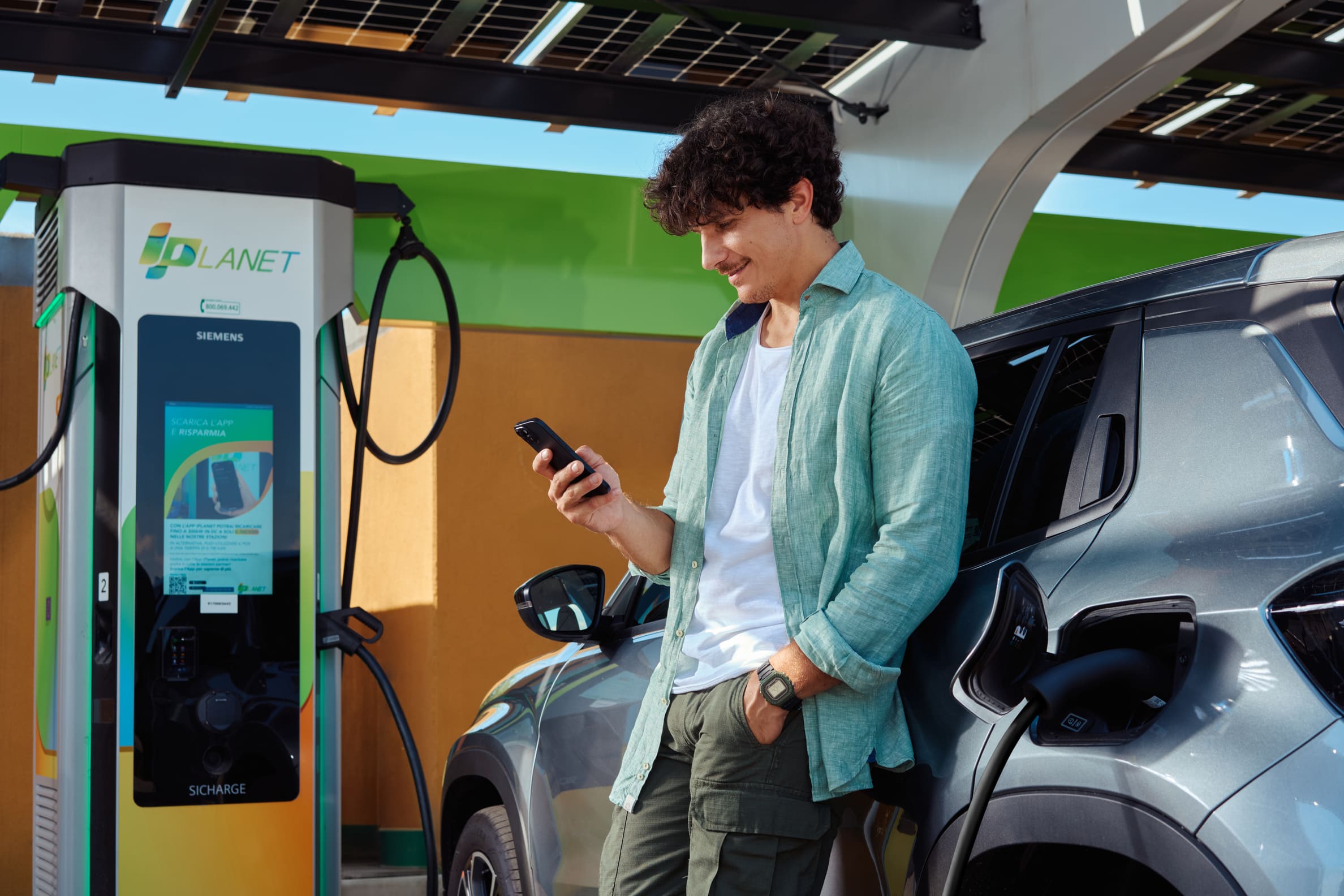
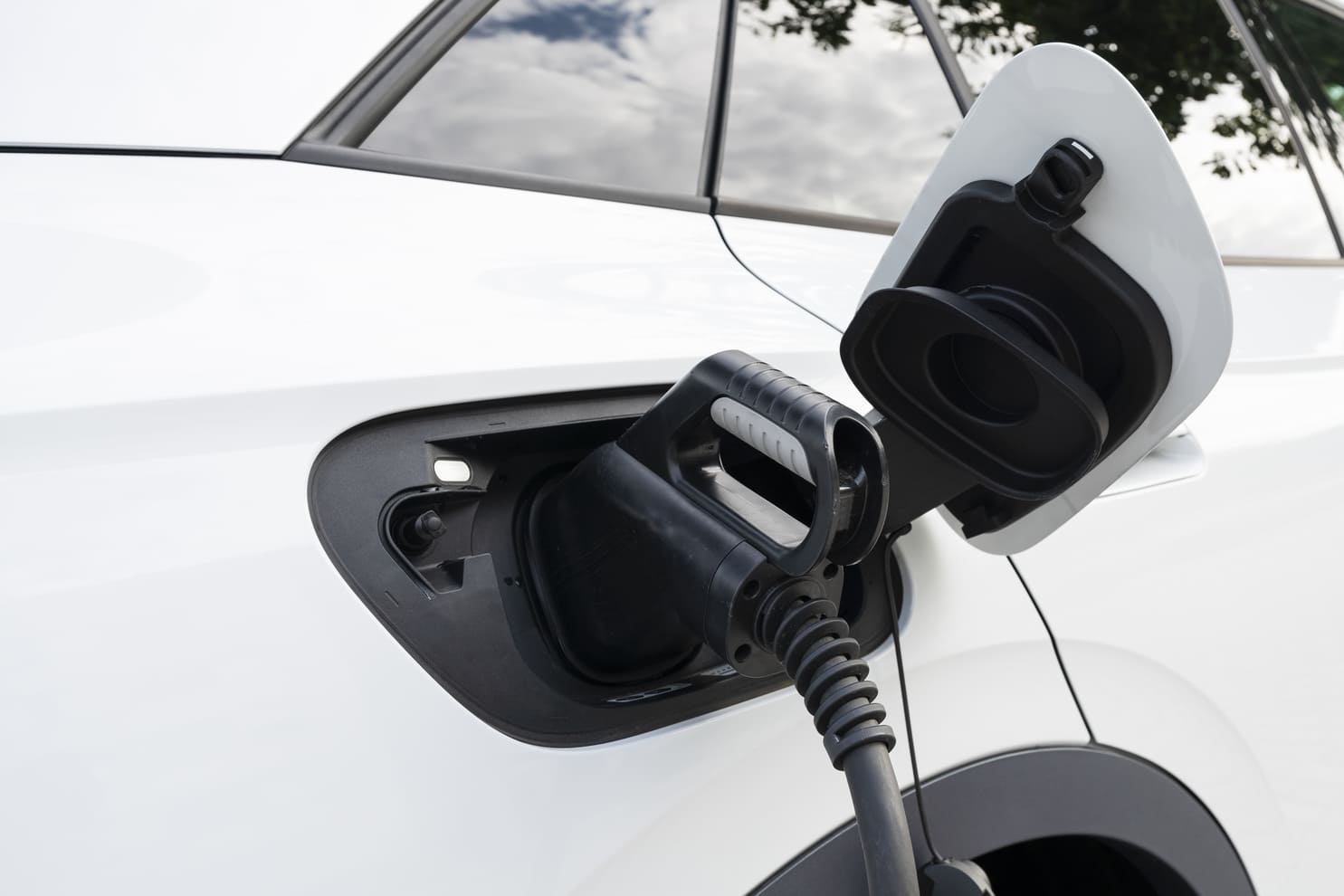
An indispensable driver of this new, complex technological ecosystem is electric mobility, which is gradually and inexorably replacing traditional and obsolete internal combustion vehicles. However, this necessary transition to new-generation battery-powered engines requires a massive and costly overhaul of public and private electricity infrastructure. The planned installation of modern, easily accessible charging stations throughout the country is a top political priority to reassure new motorists and encourage them to purchase zero-emission vehicles. Anxiety about driving range disappears completely when drivers know they can easily find fast, powerful and reliable charging points along their usual daily commutes to and from work. Large commercial corporate fleets and the numerous vehicles used for last-mile logistics deliveries are already adopting this new technology with impressive results in terms of reducing corporate operating costs and cutting noise pollution during the day and night.
Innovative solutions that are transforming smart mobility
As well as private cars, the major green revolution in urban transport encompasses a wide variety of vehicles that are light, compact and manoeuvrable. Electric micromobility has become increasingly present on the streets of our major cities in a very short space of time, offering a viable, fast, fun and cost-effective alternative for short urban journeys.
Folding e-scooters, electric bikes and lightweight battery-powered mopeds offer nimble solutions for navigating chaotic city traffic, drastically reducing congestion on the roads and making it quicker and easier to cover the first – and most importantly the last – mile of the journey to the office or back home. Many young tech companies offer innovative public sharing services that allow registered users to hire these useful vehicles on a short-term basis, using simple, intuitive apps that can be downloaded to your phone. This new economic model, based on temporary shared access rather than exclusive ownership, significantly reduces fixed costs for the average user and maximises the overall efficiency of the limited physical resources available in the city. Artificial intelligence (AI) plays a decisive and irreplaceable role in optimising the logistics of these vast fleets, by pre-deploying vehicles to urban areas with the highest demand thanks to complex predictive mathematical algorithms that learn from the travel habits of users. Another extremely important area of major technological innovation regards futuristic self-driving vehicles, which are set to revolutionise the very concept of global road safety forever in the years to come.
The development of self-driving vehicles and advanced driver-assistance systems could help improve road safety by reducing certain risks associated with human error. However, their effectiveness will depend on a number of factors, including developments in technology, infrastructure and the regulatory framework. Advanced electronic driver-assistance systems, which are already fitted to a great many modern cars on the market today, are just the first tentative step towards complete automation of both public and private transport. These complex digital technologies use millimetre-wave radar, high-resolution cameras and laser sensors to constantly monitor the surrounding road environment and react promptly to any unexpected obstacles along the route in a fraction of a second. The Internet of Things (IoT) enables all these vehicles and technological devices to exchange huge amounts of data and useful information in real time, creating a vast urban neural network in which each technological element is perfectly and instantly aware of the exact position and immediate movement intentions of all the other elements present on the road.
Read also
Information is energy for the mind. Explore articles, offers, and news dedicated to the world of electric mobility and stay up-to-date on everything IPlanet.
Download our App
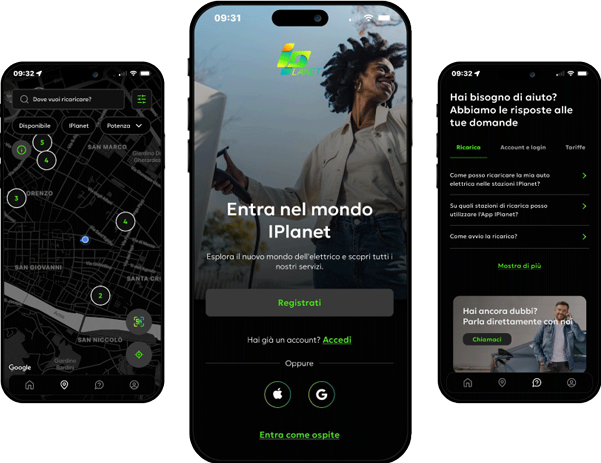
Did you know? Keep everything under control with IPlanet. Find easily your nearest stations, start charging, monitor your consumption in real time and manage your payments. Electric mobility has never been so easy.
Find out more
Electric mobility, everywhere.
IPlanet offers you a complete ecosystem of online and offline services to simplify travel. EV charging points, traditional fuel pumps and refreshment areas: every last detail has been designed to guarantee you a complete experience. Control everything at a click on our App and website!
Find our more
Iplanet. The ultrafast solution to your charging needs

Find your nearest charging point
Use our ultrafast charging points and dedicate more time to the things you love.

Pay directly from the App
Start charging from your smartphone to save time and money
Benefits and deals
Follow our channels to discover more promotions just for you.
Our Energy
is 100% Renewable
IPlanet certifies the origin of all the energy supplied by its ultra-fast charging stations. In 2024, we received a Cancellation Statement from the Energy Services Manager (GSE), confirming the cancellation of 260 Guarantees of Origin, equivalent to 260 MWh of renewable energy used.
