
Magazine
Smart cities in Italy: the future of smart and sustainable cities
The historic squares of the Renaissance meet artificial intelligence. Italy, the cradle of history and art, is facing an unprecedented challenge: how to transform its cities – from the Old Town to the more modern areas – into the cities of the future. Smart Cities in Italy are no longer a pipe dream: they’re a necessary bridge between our cultural heritage and the sustainability of tomorrow. Turning a historic town or a modern metropolis into a green city focused on the future is very much a reality, and it’s evolving all the time. All thanks to targeted investments.
People are calling for more liveable spaces, so local authorities are working hard to shape the eco-cities of the future, adopting structural measures aimed at improving quality of life and reducing urban air pollution. In this scenario of social and architectural renewal, technology plays a leading role, helping local authorities to manage the public resources at their disposal more effectively.
This lengthy journey towards innovation requires constant commitment from all those involved, but the first results are already clearly visible in various parts of the country, demonstrating that change is already happening.
What are smart cities?
Although the term Smart City already sounds familiar, it’s likely that very few of us actually understand what it means. A true Smart City integrates advanced digital networks with traditional physical infrastructure to optimise resources and minimise energy and water wastage. If we look closely at the development of smart cities around the world, we can see that energy efficiency and a constant reduction in harmful emissions are always key to urban regeneration projects in every civilised nation worldwide. The primary aim of these transformations is to create an interconnected urban ecosystem, in which the data collected daily by sensors is used to make rapid and incredibly effective decisions, to the full benefit of the entire community.
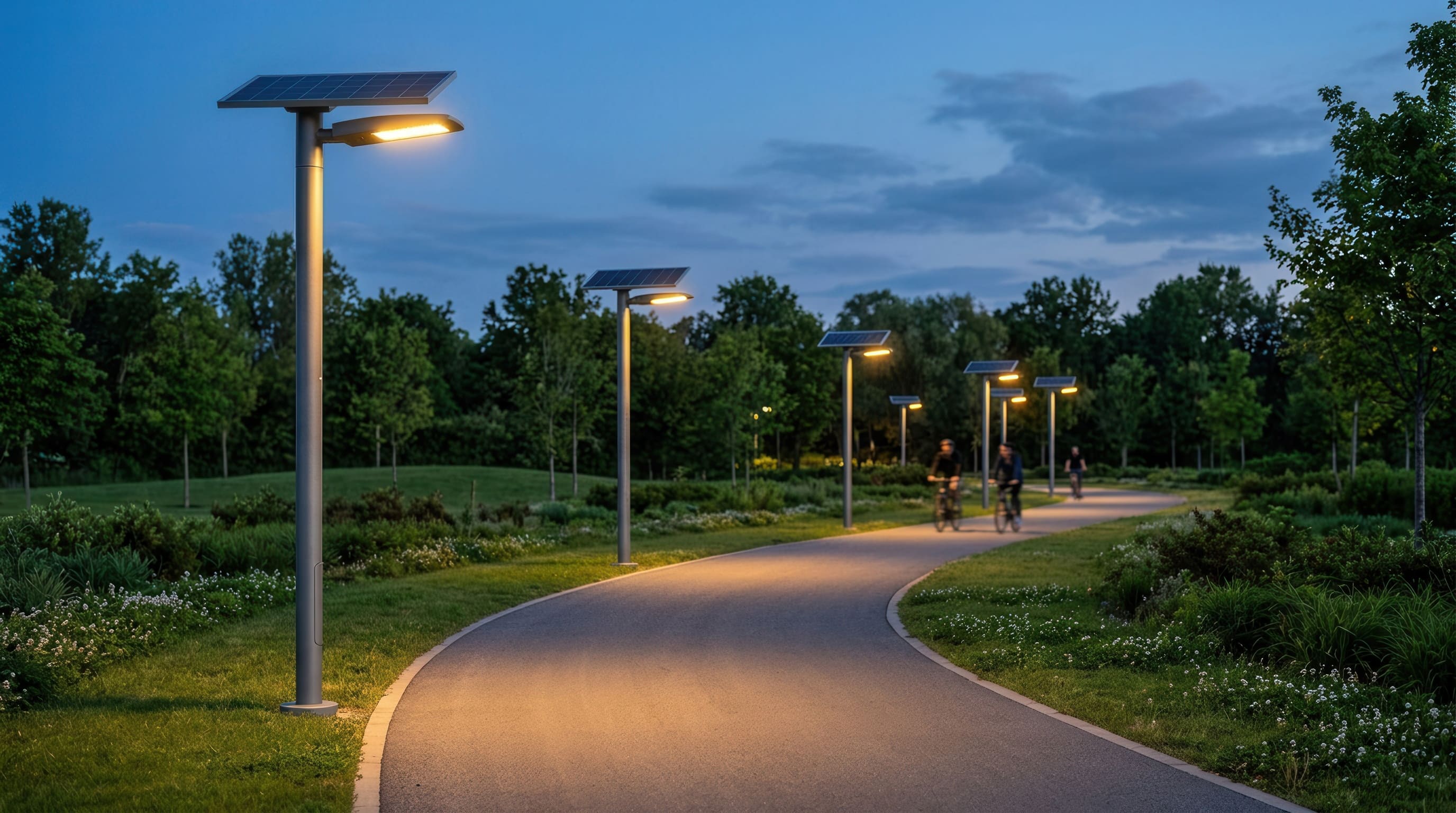
Energy-efficient street lighting that switches on only when a pedestrian passes by, and sophisticated irrigation systems in large public parks, activated automatically based on soil moisture levels, perfectly exemplify this brand-new concept of shared civic space.
The development of Smart Cities in Italy
Implementing intelligent digital solutions requires extremely close collaboration between forward-thinking public bodies and private companies prepared to invest substantial capital in collective well-being. In Italy, the process poses complex administrative and bureaucratic challenges, but it also offers major opportunities to revive small historic villages and industrial areas. Every successful smart city in the country clearly shows how cutting-edge technological innovation can blend seamlessly with our immense historical and cultural heritage, without impacting the original architectural beauty that is the envy of the whole world. In a number of pioneering regions, we are currently witnessing the rapid development of neighbourhoods powered entirely by renewable energy sources and equipped with miniaturised sensors that constantly monitor air quality in real time. Smart Cities in Italy are much more than just technological gimmickry: they boldly aspire to comprehensively rethink the complex social and economic organisation of our beautiful country. The public are finally playing an active role in this delicate process, taking part in urban planning decisions via dedicated apps on our phones that promote maximum transparency and full civic engagement for the common good.
The role of the sustainable urban transport plan
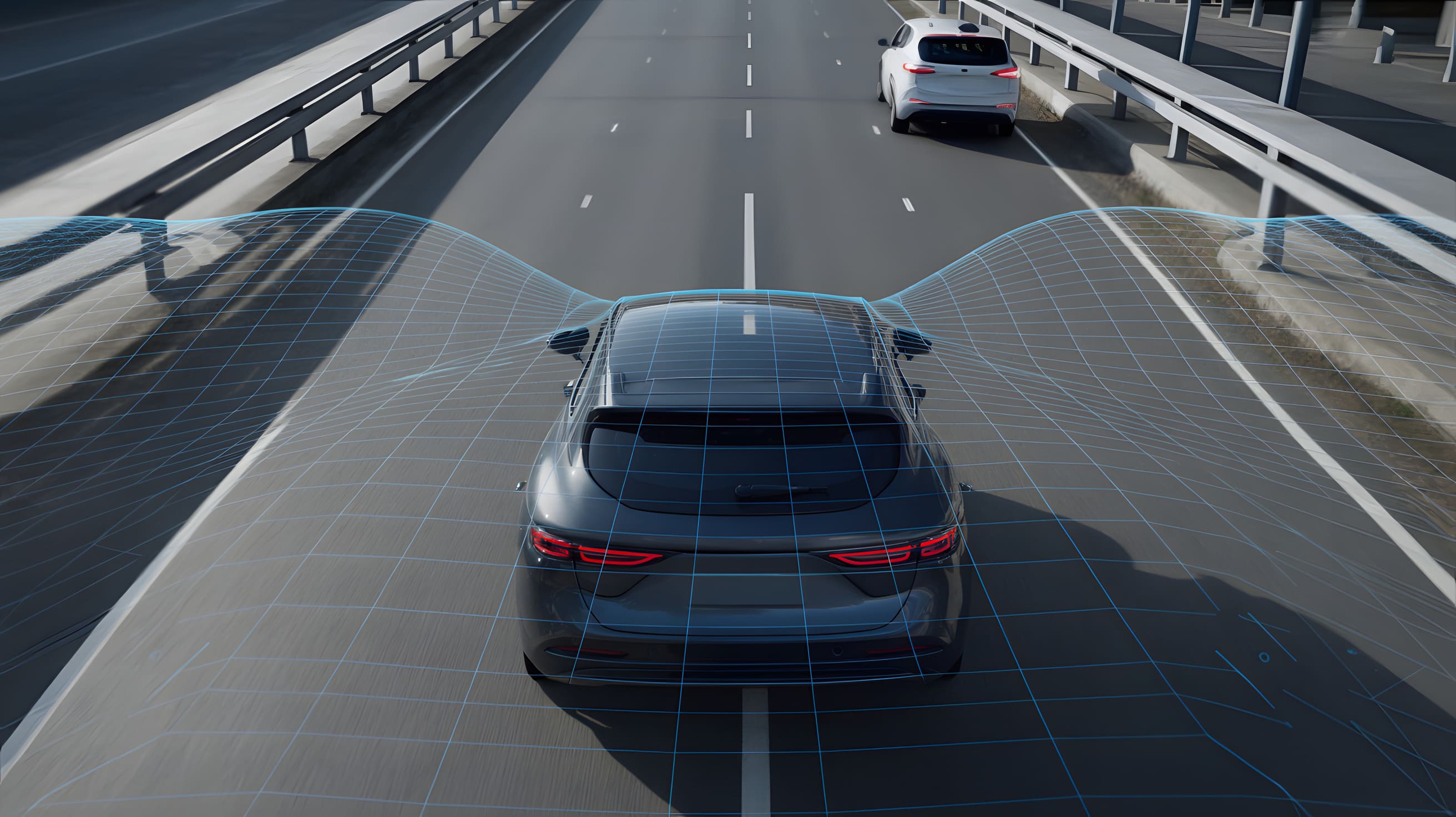
Proper management of road traffic is vital for urban regeneration and for safeguarding the health of residents. Through the sustainable urban mobility plan, local authorities are radically rethinking daily travel, prioritising the procurement of zero-emission electric public transport and the rapid construction of extensive, safe and well-lit cycle paths. This urban planning tool is essential to transform metropolises choked by exhaust fumes into the green cities of the future, vastly improving air quality and reducing the psychological stress caused by constant, gruelling traffic jams. A truly effective urban sustainable mobility plan must also envisage the rapid roll-out of convenient corporate and public car-sharing schemes, as well as the widespread installation of fast-charging points for the increasingly large number of private electric vehicles. The long-term aim of our local authorities is to strongly discourage the everyday use of private cars, by offering viable, convenient and cost-effective alternatives for all commuters and families.
Technological infrastructure and Smart Cities in Italy
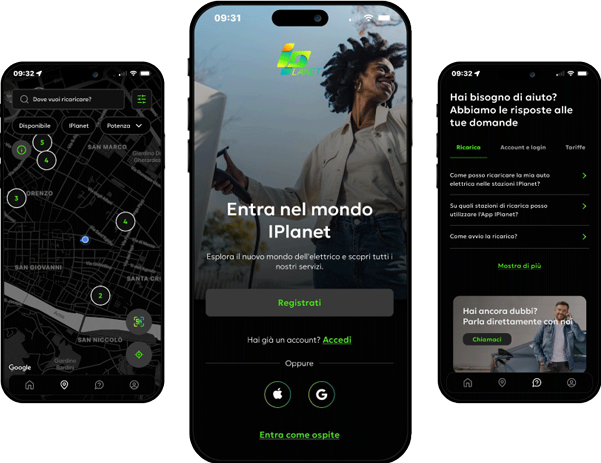
Invisible technological infrastructure is what really drives urban transformation, and it requires ongoing, targeted investment in complex management software and state-of-the-art hardware. Advanced environmental sensors and ultra-fast internet networks enable local authorities to collect large amounts of data in real time, allowing them to manage public lighting and even day-to-day waste collection in a fully smart, completely automated manner. When we look more closely at successful European smart city models, it is immediately apparent that artificial intelligence and the Internet of Things have now become indispensable for ensuring effective, modern management of the entire public sector. Modern street waste collection bins, fitted with fill-level sensors inside, are able to alert refuse collection staff only when they are completely full, optimising the night-time routes of refuse collection trucks and saving valuable fuel. Similarly, advanced algorithms constantly monitor local water networks to detect dangerous hidden underground leaks and prevent unacceptable water wastage. When it comes to mobility, the right infrastructure must be accompanied by services geared towards digitalisation. This is where the IPlanet app comes in. This innovative tool is a fully-fledged digital ecosystem designed to simplify travel and access to urban services. Motorists can use the app to manage their smart and sustainable mobility options in an integrated manner and in real time. This key element helps to turn the Smart City concept into a real, efficient, people-centred everyday experience.
From European smart cities to local innovations
The wide range of international organisational models offers numerous valuable insights for our local authorities, both large and small, which are increasingly keen to embark on a positive path towards complete digitalisation of services. The intelligent adoption and adaptation of the best and most established practices implemented in smart cities around Europe can help us significantly accelerate a comprehensive digital and ecological transition right across the country. There are several examples in Italy worth emulating too: cities able to skilfully use vast digital data sets to predict and resolve troublesome public service disruptions long before they have a negative impact on the hectic daily lives of working people. The new smart underground car parks – which use a handy phone app to automatically indicate the nearest available spaces to the driver’s final destination – are just one of the many engineering solutions that make life easier for all motorists, as well as reducing urban chaos.
A comparison with smart cities around the world
Objectively assessing global progress is an essential and logical step towards a clear understanding of our current position and prompt identification of all the technological areas that require urgent improvement. If we compare our historic town centres with the far more advanced and well-organised smart cities around the world, it’s clear that our country’s potential for economic and social growth remains enormous and largely untapped. The greatest challenge facing us in the immediate future will undoubtedly be to ensure that the eco-friendly cities of the future are fully accessible to everyone, by finally bridging the dangerous and unjust digital divide that sadly continues to separate the affluent, well-connected city centres from the outlying neighbourhoods that regrettably remain neglected and forgotten. Advanced technology must necessarily become a tool for social inclusion and must never become yet another contributing factor to severe economic discrimination against the poorest and most vulnerable sections of society.
The outlook for Smart Cities in Italy
The future of urban areas in Italy will depend entirely on the difficult and courageous political decisions that will be taken today by the current local councils and by the people themselves through their votes and active participation. A flexible and forward-thinking administrative approach must be able to adapt swiftly to sudden technological innovations as they emerge, to ensure maximum energy efficiency at all times. This challenging yet fascinating ecological journey, shared by all and rich in cultural inspiration, will permanently transform the traditional face of our country for the better, effectively making Italy’s Smart Cities a genuine, admirable model of absolute excellence in environmental sustainability and everyday liveability on a global scale.
Read also
Information is energy for the mind. Explore articles, offers, and news dedicated to the world of electric mobility and stay up-to-date on everything IPlanet.
Download our App
Did you know? Keep everything under control with IPlanet. Find easily your nearest stations, start charging, monitor your consumption in real time and manage your payments. Electric mobility has never been so easy.
Find out more
Electric mobility, everywhere.
IPlanet offers you a complete ecosystem of online and offline services to simplify travel. EV charging points, traditional fuel pumps and refreshment areas: every last detail has been designed to guarantee you a complete experience. Control everything at a click on our App and website!
Find our more
Iplanet. The ultrafast solution to your charging needs

Find your nearest charging point
Use our ultrafast charging points and dedicate more time to the things you love.
Pay directly from the App
Start charging from your smartphone to save time and money
Benefits and deals
Follow our channels to discover more promotions just for you.
Our Energy
is 100% Renewable
IPlanet certifies the origin of all the energy supplied by its ultra-fast charging stations. In 2024, we received a Cancellation Statement from the Energy Services Manager (GSE), confirming the cancellation of 260 Guarantees of Origin, equivalent to 260 MWh of renewable energy used.
